
中

The wave of regenerative medicine is surging forward. Induced pluripotent stem cell therapy, with its immense application potential and a continuous stream of breakthrough achievements, is rapidly becoming the hottest field in the global medical sector.
Recently, exciting progress has been made in this cutting-edge field - not only has it opened up new paths for the treatment of intractable diseases, but it has also injected strong impetus into the development of regenerative medicine as a whole, making the hope of overcoming difficult diseases increasingly clear.
New breakthrough by the Chinese Academy of Sciences: iPS cell technology successfully reverses brain inflammation and microbial imbalance in autism
In April 2026, the research team led by Professor Li Zhiyuan from the Guangzhou Institute of Biomedicine and Health, Chinese Academy of Sciences, in collaboration with the research team from the Guangdong Academy of Sciences, published an important research result in the international authoritative journal "Translational Psychiatry" (a top journal in translational psychiatry under Nature): They were the first to confirm that non-gene-edited human chemical-induced pluripotent stem cells-derived neural stem cells (hCiPSC-NSCs) can achieve both anti-inflammatory repair of the central nervous system and reconstruction of the intestinal microbiota structure through combined intravenous and intraventricular dual-pathway administration.
This discovery has broken through the limitations of the traditional "single-target" treatment strategy, providing a completely new paradigm for cell therapy in complex neurodevelopmental disorders such as autism spectrum disorder (ASD).
For a long time, the reason why there has been no fundamental breakthrough in the treatment of autism lies in the fact that its pathological mechanism is a complex and intertwined predicament.
A large number of previous studies have confirmed that "intestinal-brain axis disorder" is one of the core mechanisms underlying the occurrence and development of autism. In the brains of autistic patients, there are persistent problems such as chronic neuroinflammation, abnormal activation of microglia, and impaired neurosynaptic development, and the neural network responsible for signal transmission is severely disrupted; at the same time, the majority of these patients also suffer from severe intestinal flora imbalance.
The gut and the brain are deeply interconnected through the "gut-brain axis". Inflammation in the brain can exacerbate intestinal disorders, while the imbalance of bacteria in the gut can in turn aggravate the pathological damage to the brain. The two form an unbreakable vicious cycle.
Traditional intervention methods either target only a single point in the brain or can only regulate the gut microbiota. They are unable to simultaneously solve the dual problems of "brain damage and intestinal disorder", and thus are unable to reverse the progression of the disease at its root.
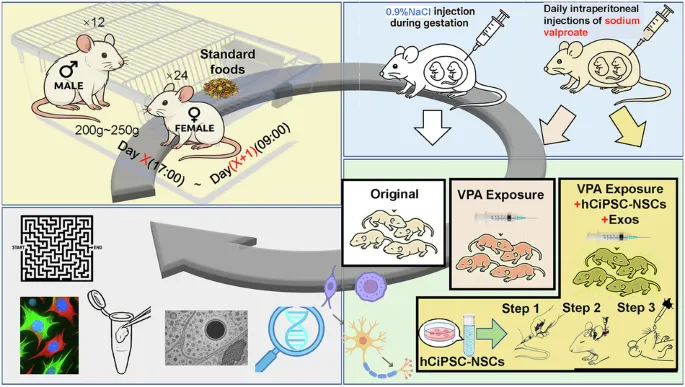
Graphical summary
Unlike traditional stem cell technologies that require genetic modification and the involvement of viral vectors, the neural stem cells derived from human induced pluripotent stem cells (hCiPSC-NSCs) used in this study were obtained through a chemical reprogramming process using small molecule compounds throughout the entire process. No genetic editing was performed and no viral vectors were utilized.
This technical approach brings about revolutionary advantages:
It completely avoids the potential safety risks brought about by gene editing and viral vectors at the source, and better meets the safety requirements for clinical applications. At the same time, this technical route is more conducive to achieving standardized and large-scale production, clearing the key obstacles for subsequent clinical transformation. It is truly a "safe" type of stem cell therapy that is expected to enter clinical practice.
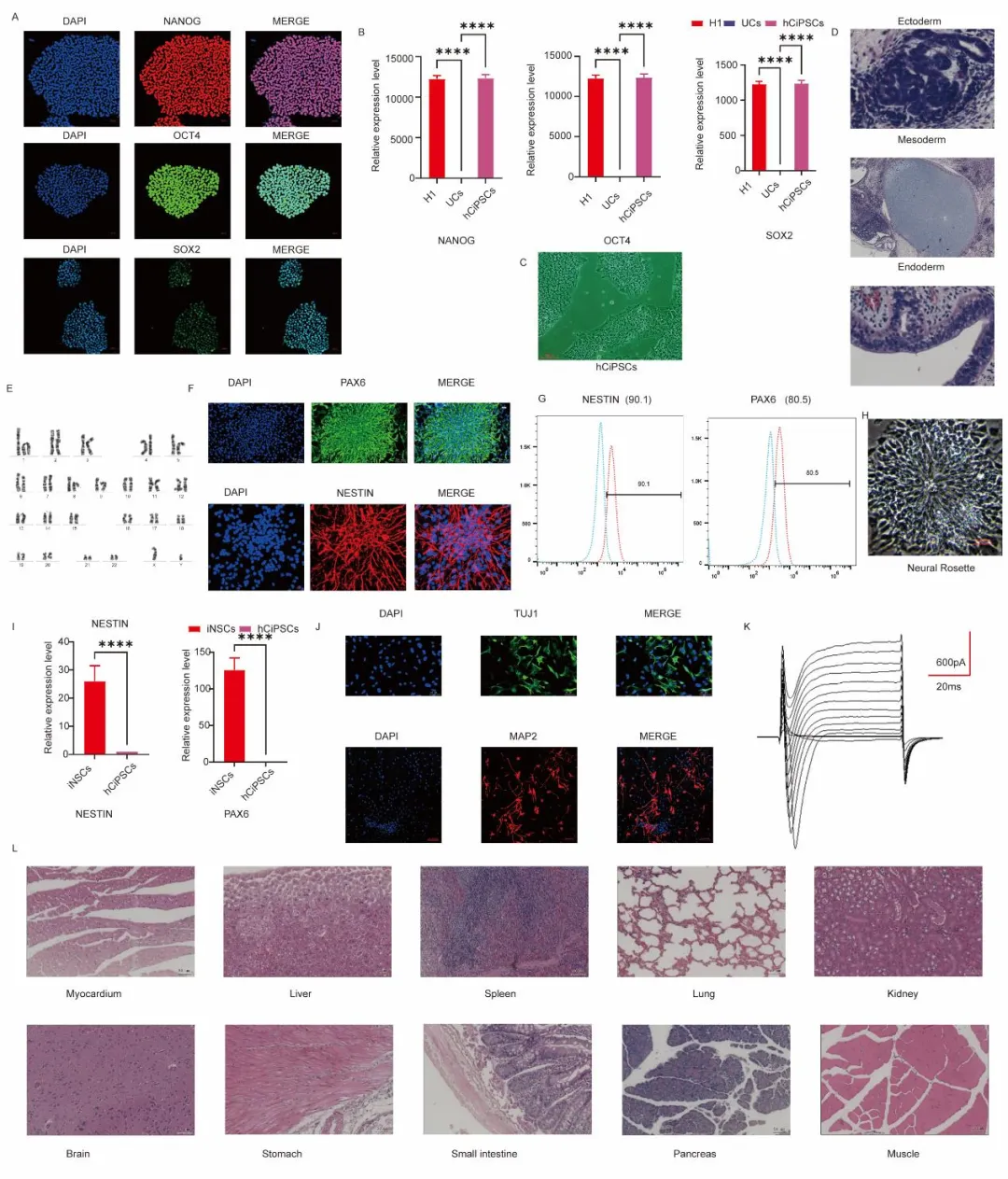
Analysis of the pluripotency and neuronal differentiation potential characteristics of hCiPSCs
The research team used the classic autism rat model induced by prenatal valproic acid (VPA) as the research subject. They adopted a dual-pathway administration strategy of intravenous systemic infusion combined with local enhancement in the ventricular system to precisely deliver hCiPSC-NSCs to the lesion site. With solid experimental data, they verified the powerful effect of this therapy.
01 The core behavioral traits have undergone a significant reversal, and multiple indicators have approached the levels of health.
The results of the behavioral experiments showed that after stem cell treatment, the core symptoms of the autism model rats were comprehensively improved: their social interaction ability significantly enhanced, the time spent interacting with unfamiliar conspecifics increased significantly; repetitive and stereotyped behaviors such as ball burying and excessive grooming were greatly reduced; in the water maze experiment, their spatial learning and memory abilities significantly improved, and multiple indicators had approached the levels of healthy rats.
This result directly proves that hCiPSC-NSCs can effectively reverse the core behavioral phenotypes of autism, providing solid experimental support for the future clinical improvement of patients' social, cognitive and behavioral symptoms.
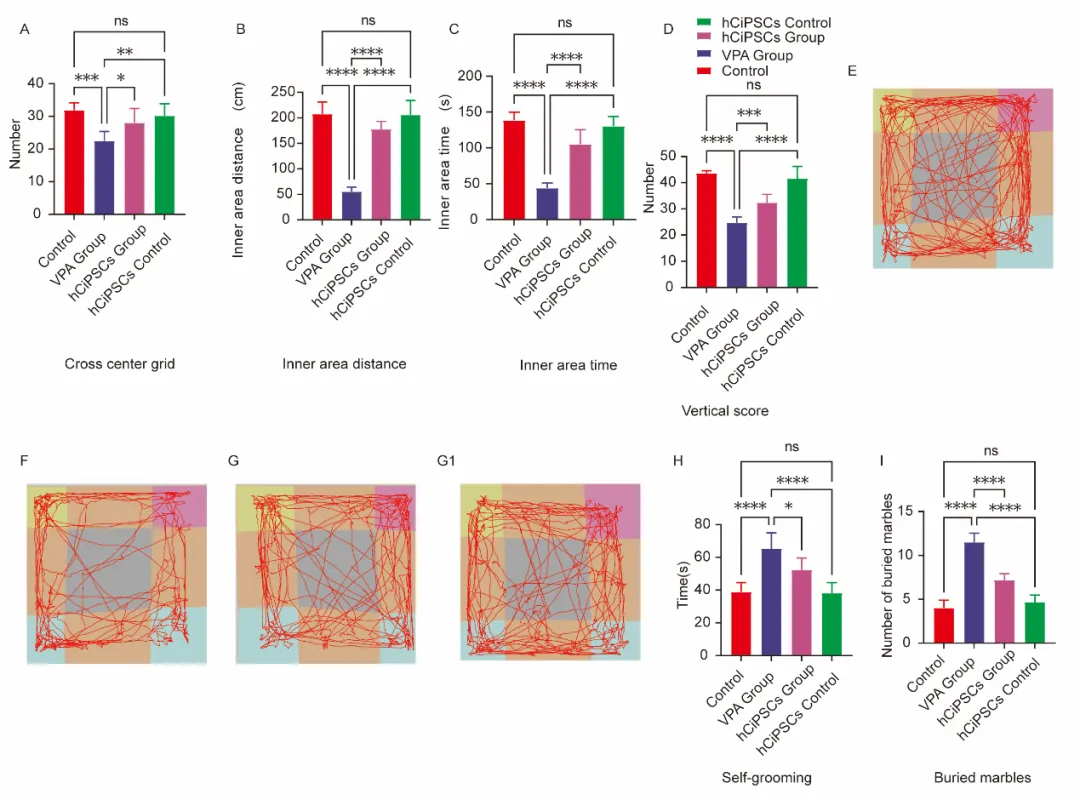
Behavioral analysis of autistic model rats in open field test and repetitive stereotyped behaviors
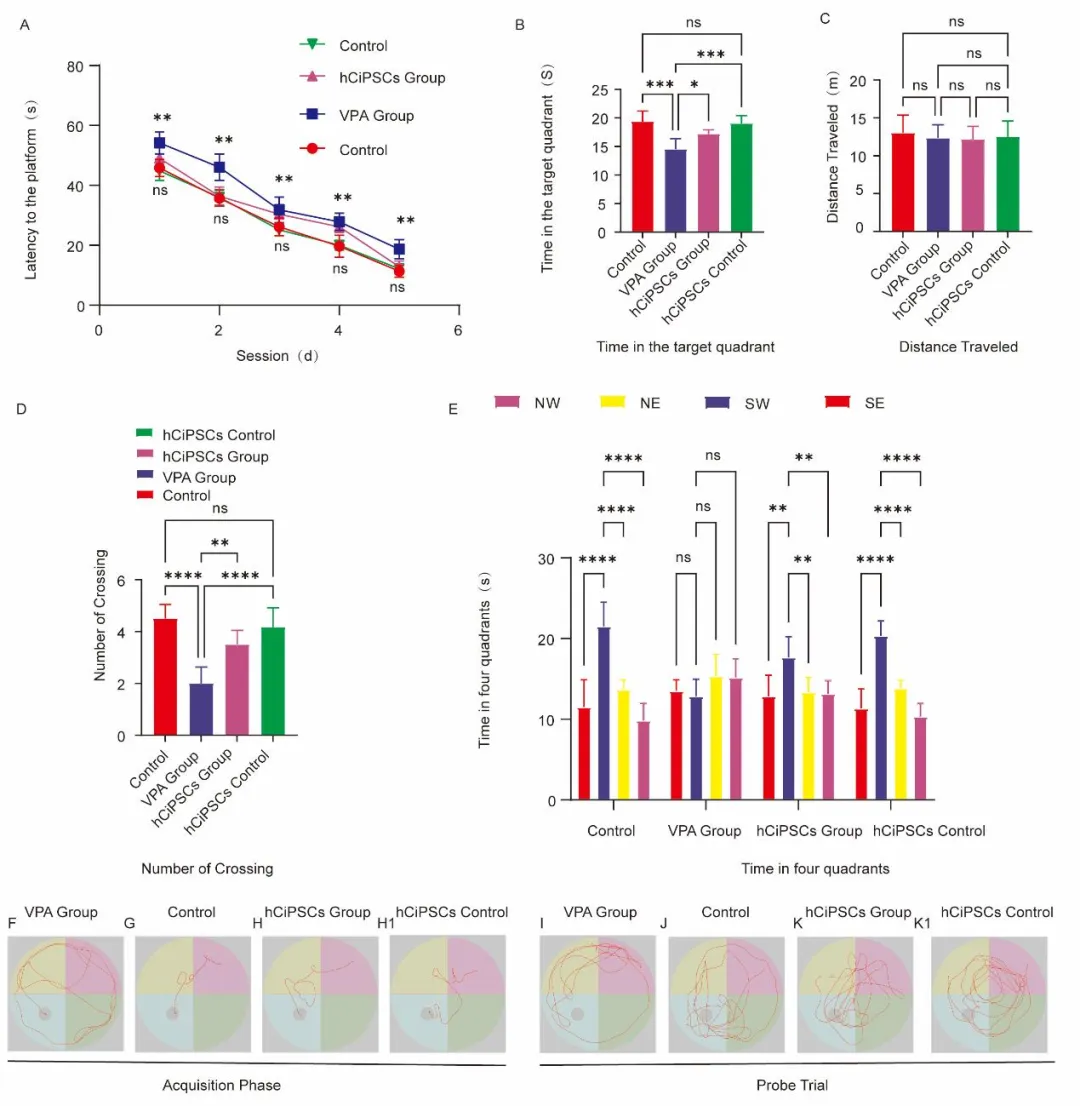
Behavioral analysis of the water maze
02 Deeply repair brain damage and block neuroinflammation at its source
At the level of the central nervous system, this therapy demonstrates multi-dimensional neuro-repair capabilities: It can effectively inhibit the excessive activation of microglia in the hippocampus and cortex of the brain, reduce the levels of key pro-inflammatory factors such as IL-1β, IL-6, and TNF-α, and simultaneously increase the expression of anti-inflammatory factor IL-10, blocking the neuroinflammatory cascade at its source; It can also restore the levels of antioxidants such as glutathione (GSH) and superoxide dismutase (SOD), reducing oxidative stress products such as malondialdehyde (MDA) and nitric oxide (NO), and comprehensively protecting nerve cells from damage.
More importantly, it can significantly increase the density of synaptic vesicles, repair the damaged ultrastructure of synapses, reconstruct the neural signal transmission pathways, and comprehensively restore the damaged brain neural networks in terms of both structure and function.
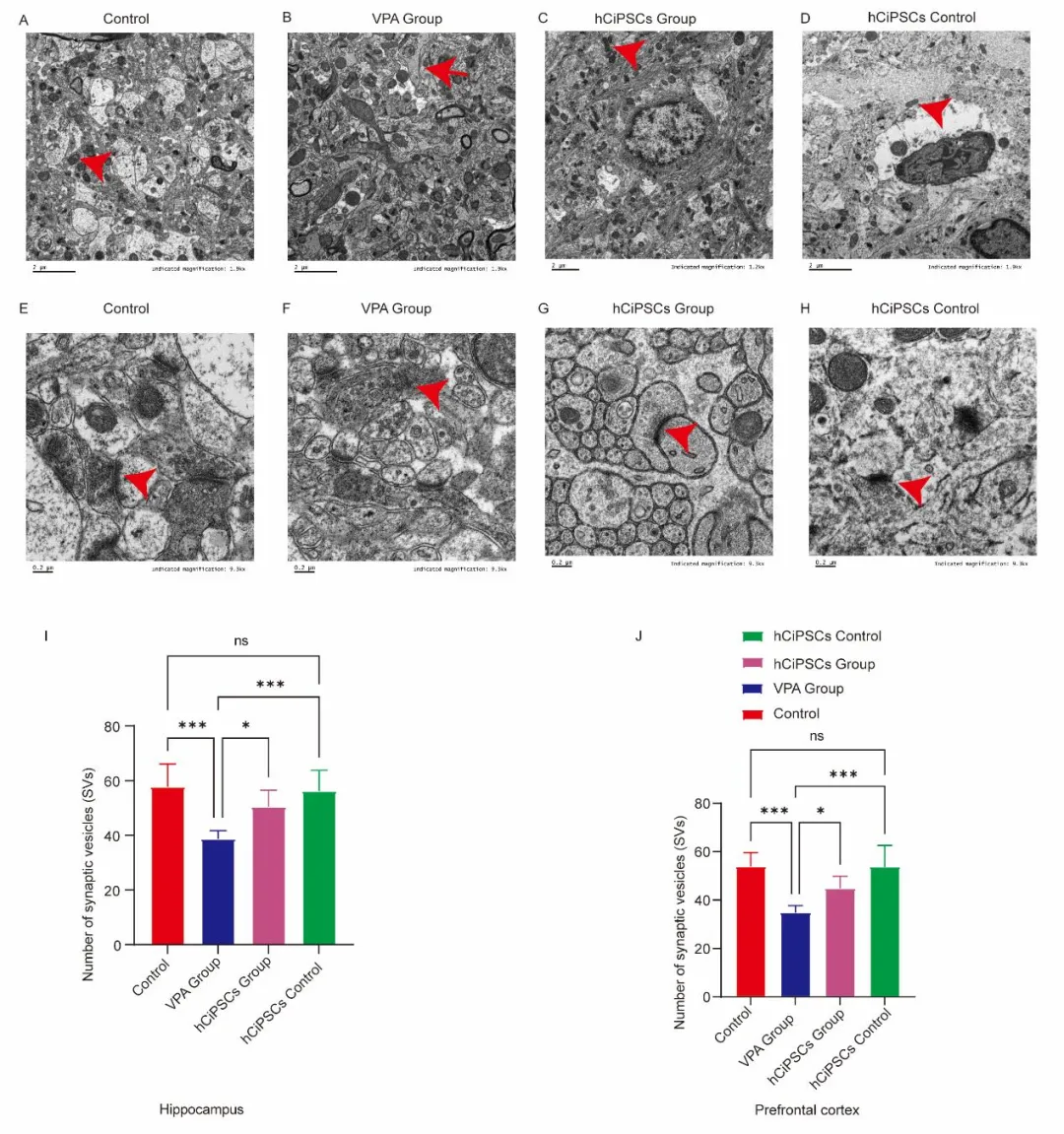
The ultrastructural pathological changes and repair mechanisms of neurons in the prefrontal cortex (PFC) and the CA1 region of the hippocampus
03 Remote regulation of the intestinal microbiota to achieve "brain-gut harmony" and collaborative treatment
One of the most remarkable findings of this study is that the team has for the first time demonstrated that hCiPSC-NSCs can achieve remote regulation of the intestinal microecology, truly achieving the synergistic treatment of "anti-inflammation in the brain and regulation of the intestinal flora", completely breaking the limitations of traditional therapies.
The research found that the autistic model rats exhibited typical characteristics of microbiota imbalance: the ratio of Firmicutes to Bacteroidetes increased, the abundance of beneficial bacteria decreased, pathogenic bacteria accumulated, and the diversity of the microbiota was severely impaired. However, after stem cell treatment, these problems were significantly improved:
The structure of the intestinal flora was restored to a balanced state. The abundances of beneficial bacteria such as Bacteroidetes and Unidentified Prevotella significantly increased, while the growth of pathogenic bacteria under certain conditions like Desulfurococcus was inhibited, and the diversity of the flora was effectively restored.
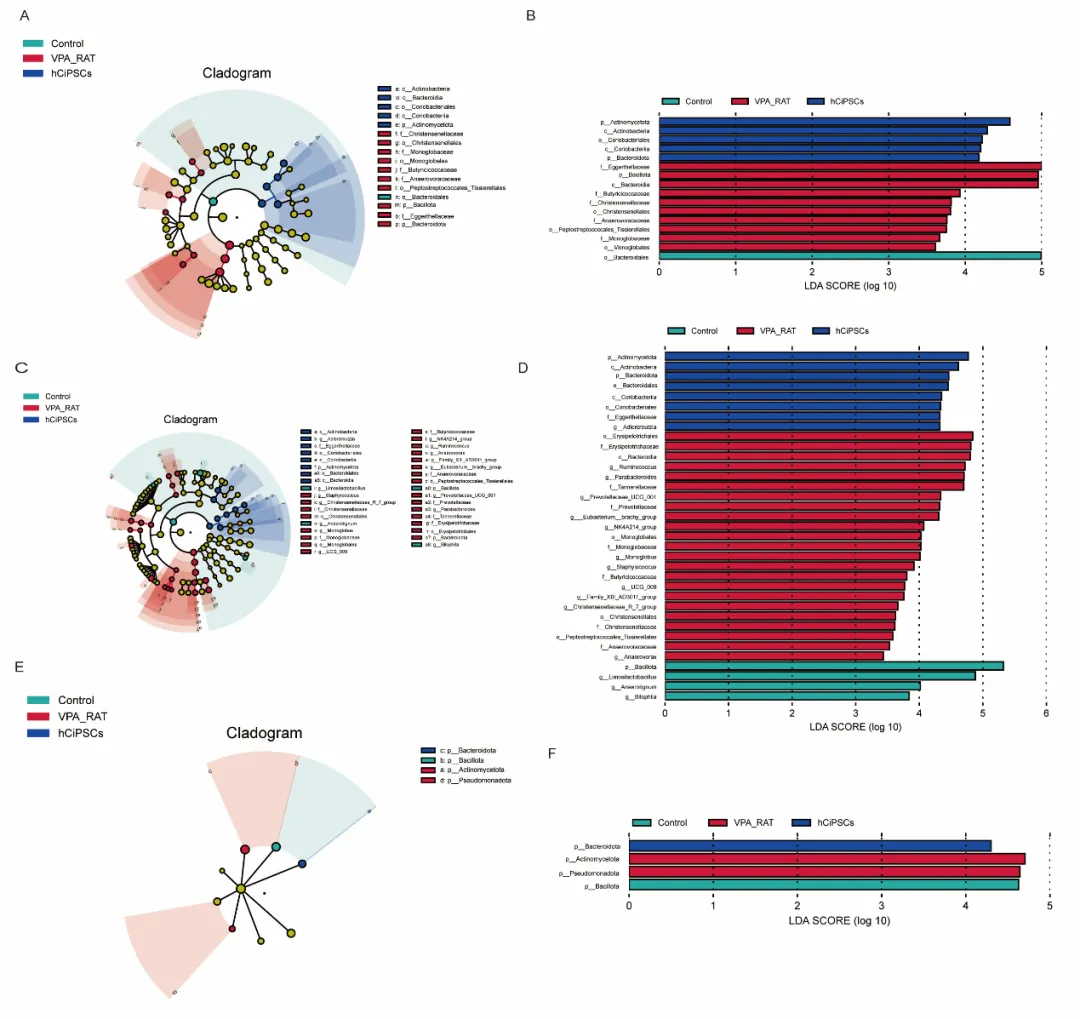
Hierarchical analysis of changes in the gut microbiota of rats caused by the autism spectrum disorder (ASD) model and human-induced pluripotent stem cells (hCiPSCs) treatment
Summary
This research is the first of its kind worldwide to confirm that non-gene-edited human chemically reprogrammed neural stem cells can simultaneously repair the dual disorders of neuro-pathology and intestinal ecology in autism. It breaks through the traditional limitations of targeting the brain or the intestine alone, laying a crucial foundation for constructing a new cell therapy strategy for neurodevelopmental diseases that targets the gut-brain axis.